About blood types (ABO/RhD)

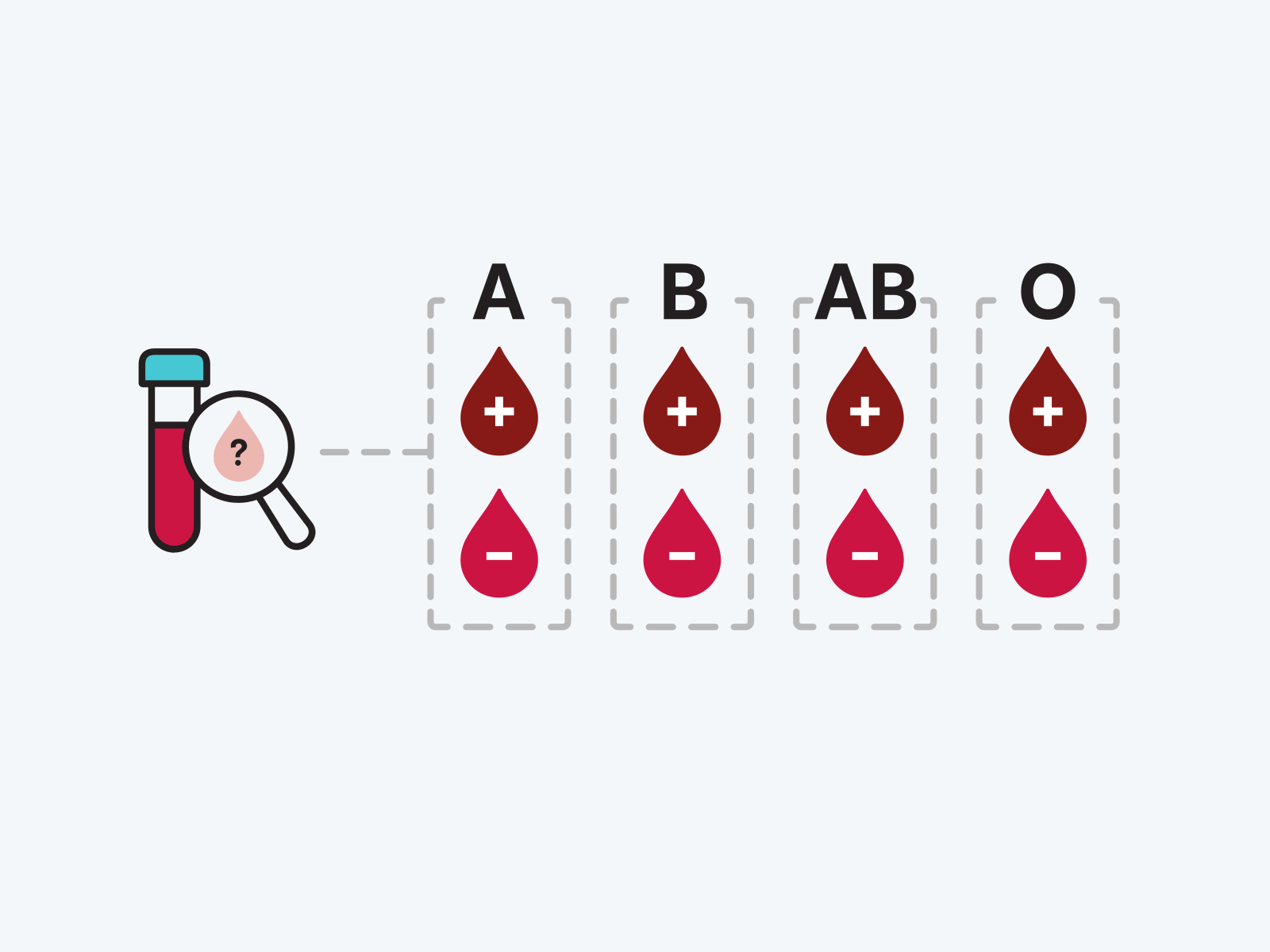
Your blood type is determined by specific proteins called antigens found on the surface of your red blood cells. These antigens act like markers and help determine your blood type. The most common blood group systems are ABO and RhD.

ABO system

Your blood type can be AB, AB or O.

These types are based on which markers (A or B) are present on your red blood cells.

RhD factor

RhD is another marker on your red blood cells.

  • If you have the RhD marker, you are RhD positive (+).
  • If you do not have the RhD marker, you are RhD negative (-).

Example:
If your blood type is B+, it means you have the B marker and you are RhD positive.

Where does the RhD factor come from?

The RhD factor is passed down from both parents.

  • If both parents are RhD negative, the baby will also be RhD negative.
  • If one or both parents are RhD positive, the baby may be RhD positive or RhD negative.

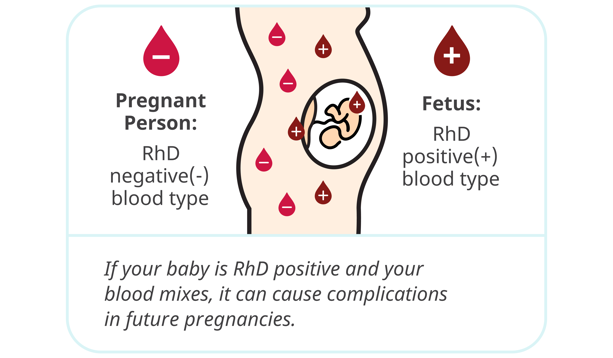
RhD can cause problems in pregnancy if you are RhD negative and your baby is RhD positive. This mismatch is called RhD incompatibility.

What happens if there is an RhD incompatibility?

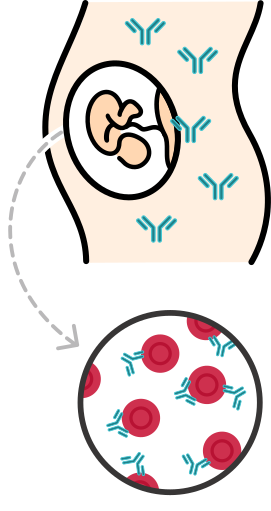
If your RhD negative blood is exposed to your baby’s RhD positive blood, your immune system can make antibodies (called anti-D) against your baby's mismatched RhD. This is called RhD alloimmunization (or sensitization) and can happen if your baby’s blood mixes with yours during pregnancy or at delivery.

These antibodies usually do not cause problems in a first pregnancy, but they stay in your body. In a future pregnancy, if the baby is RhD positive, these antibodies can pass into your baby’s blood through the placenta and break down your baby’s red blood cells.

What are the possible effects on the baby?

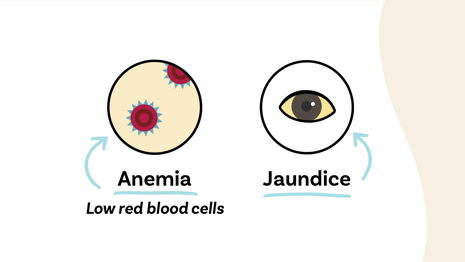
In some cases, these antibodies can cause a condition called hemolytic disease of the fetus and newborn (also known as HDFN).

HDFN can affect your baby during pregnancy or after birth.

Possible problems include: 

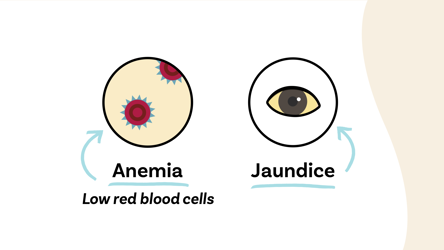
  • Anemia - not enough red blood cells
  • Jaundice - too much bilirubin that can make the skin and eyes look yellow
How serious is it?

    • Symptoms can range from mild to severe
    • Not all babies will have symptoms
    • In rare cases, the baby may need a blood transfusion, before or after birth.

Most babies recover within a few weeks and have no lasting problems. Careful monitoring during pregnancy and after birth helps prevent most serious complications.

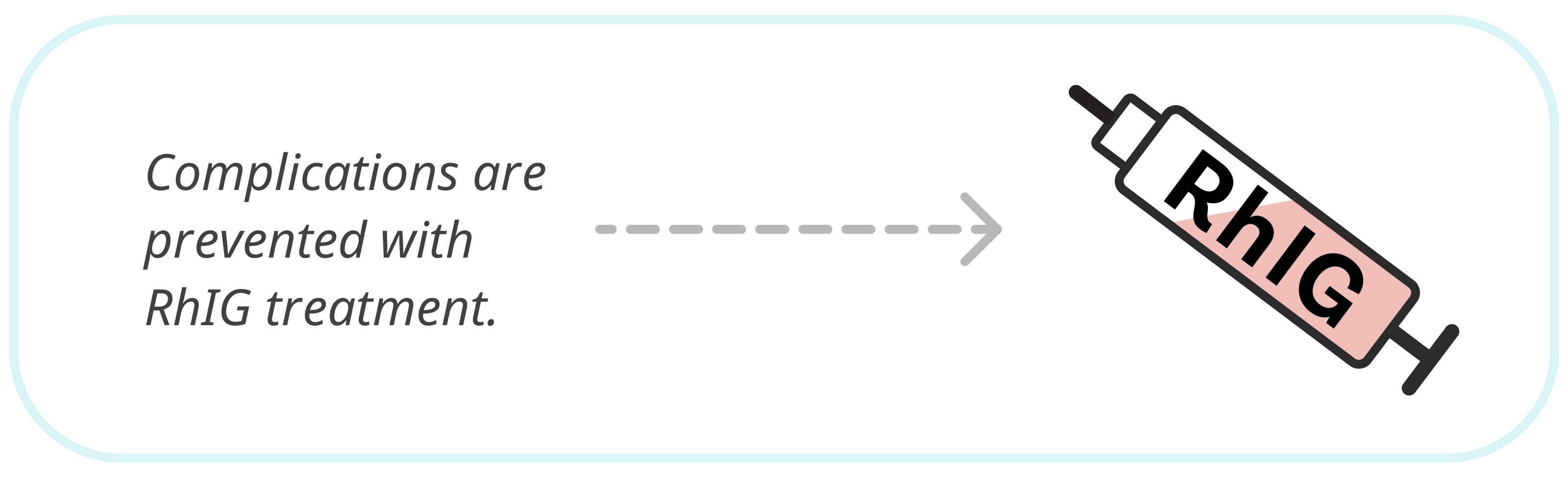
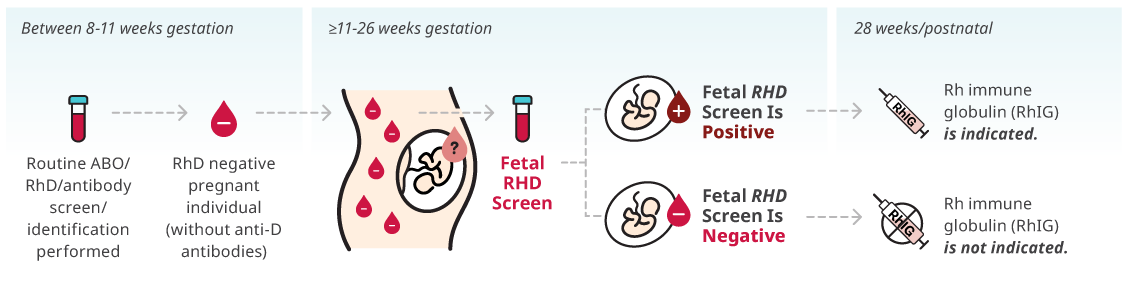
To prevent problems from RhD mismatch, a treatment called RhD Immune Globulin (RhIG), is recommended. RhIG is a blood product that helps stop your body from making anti-D antibodies against your baby’s RhD positive blood.

RhIG is an injection given to you: RhIG is not needed if:
  • around 28 weeks into your pregnancy,
  • in situations where there is bleeding, an injury, or if certain tests are needed during your pregnancy (e.g. amniocentesis) and
  • after delivery.
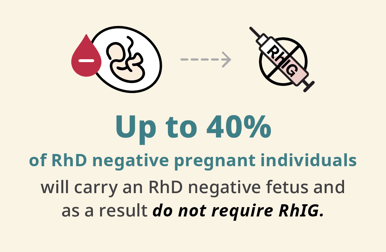
  • your baby is RhD negative like you or
  • you already have anti-D antibodies.


When you are pregnant, a health-care provider will order prenatal blood work to find out your ABO/RhD blood type and check for antibodies. This is one of the routine blood tests done early in pregnancy. The best time to do this test is between 8 and 11 weeks of your pregnancy.

If you are RhD negative, and you do not have anti-D antibodies, a test called Fetal RHD screening is recommended to check your baby’s RhD status. This screening test is done early in pregnancy using a blood sample from you. 

  • Knowing your baby’s RhD status early in your pregnancy can help you and a health-care provider decide if you need RhIG treatment. 

Antibodies are part of your immune system. They help protect you against anything your body sees as different. Most people do not have red blood cell antibodies against other blood groups.

What does it mean if antibodies are found?

If you test positive for red blood cell antibodies, it means your body has made red blood cell antibodies after being exposed to a different blood group.

This can happen:

    • During pregnancy, if your baby’s blood group is different from yours
    • After a blood transfusion

This is called alloimmunization (also known as or sensitization). 

A health-care provider will check:

    • Which antibodies you have
    • Whether they could affect your baby

Will this cause problems?

    • Not all antibodies cause problems during pregnancy
    • Many pregnancies with alloimmunization are healthy

However, some antibodies can cross the placenta and enter your baby’s blood. If your baby has a blood group that your antibodies react to, the antibodies can break down your baby’s red blood cells. 


What are the possible effects on the baby?

In some cases, these antibodies can cause a condition called hemolytic disease of the fetus and newborn (also known as HDFN).

HDFN can affect your baby during pregnancy or after birth.

Possible problems include: 

    • Anemia - not enough red blood cells
    • Jaundice - too much bilirubin that can make the skin and eyes look yellow

How serious is it?

    • Symptoms can range from mild to severe
    • Not all babies will have symptoms
    • In rare cases, the baby may need a blood transfusion, before or after birth.

Most babies recover within a few weeks and have no lasting problems. Careful monitoring during pregnancy and after birth helps prevent most serious complications.

Next steps if certain red blood cell antibodies are found in your blood

If you are pregnant and a blood test shows that you have anti-D, anti-C, anti-c, anti-E and/or anti-K (Kell) antibodies, your health-care provider will recommend a blood test called Alloimmunized Fetal Blood Group Genotyping (Allo-FBGG). This test uses a blood sample from you to find out if your baby has the same marker (called an antigen) on their red blood cells. 

The results will help your health-care provider understand if your pregnancy may need closer monitoring for signs of hemolytic disease of the fetus and newborn (HDFN). 

Monitoring may include:

    • Additional blood tests
    • Ultrasounds
    • A referral to a Maternal–Fetal Medicine (MFM) specialist

If you have other types of red blood cell antibodies

If antibodies other than anti-D, anti-C, anti-c, anti-E, or anti-K are found, your health-care provider will explain the next steps to monitor your pregnancy and check for possible complications related to HDFN.

Contact Us

Prenatal Screening Ontario 
CHEO Research Institute 
Centre for Practice-Changing Research Building 
401 Smyth Road 
Ottawa, ON K1H 8L1

pso@bornontario.ca

Information line
Phone: 613-737-2281
Toll-Free: 1-833-351-6490

Monday to Friday, 9:00 AM to 3:00 PM EST

Subscribe to PSO Updates

Subscribe to stay informed about the latest PSO news and prenatal screening updates in Ontario.
Virtual educational sessions on prenatal screening and nuchal translucency quality assurance are available upon request for health‑care providers.