A baby's blood type is inherited from its parents.
- If both parents are RhD negative, the baby will be RhD negative.
- If one or both parents are RhD positive, the baby may be RhD positive or RhD negative.
This website uses cookies to enhance usability and provide you with a more personal experience. By using this website, you agree to our use of cookies as explained in our Privacy Policy.
Your blood type is determined by the proteins, called antigens, on the surface of your red blood cells. The combination of antigens present, determines your blood type. There are many different blood group antigens on red blood cells but the most important are the ABO antigens and the Rh antigens.
The RhD antigen is very important in pregnancy.
A baby's blood type is inherited from its parents.
Why does RhD matter during pregnancy?
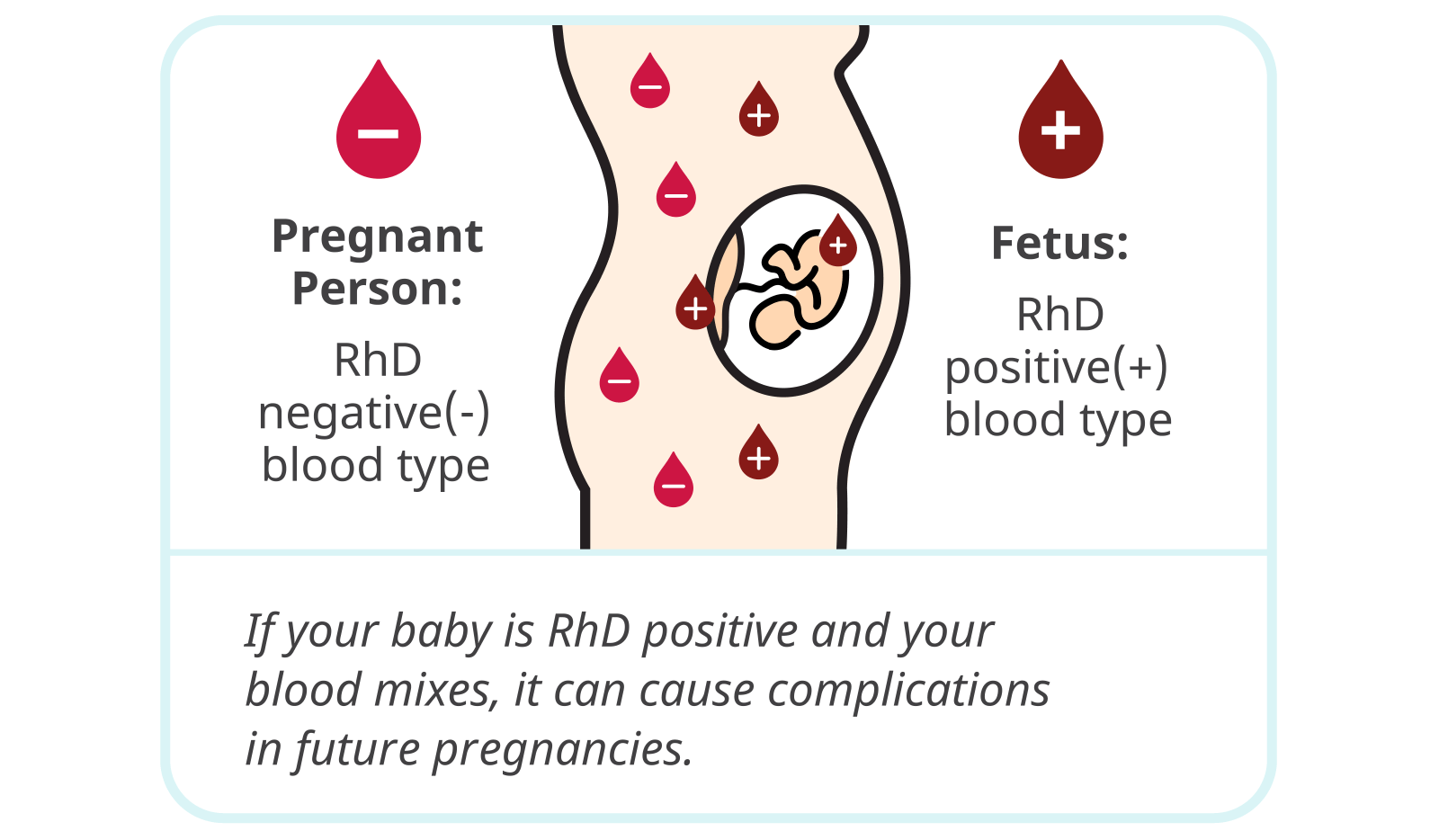
RhD can cause problems in pregnancy if you are RhD negative and your baby is RhD positive. This mismatch is called RhD incompatibility.
If your baby’s RhD positive blood mixes with your RhD negative blood you may make antibodies (anti-D). This is called RhD alloimmunization or sensitization. This may happen during pregnancy or at delivery.
Once these antibodies develop, they persist. In a future pregnancy, if the baby is RhD positive the antibodies may cross through the placenta, attach to the baby’s red blood cells and result in break down and clearance of the cells. This condition is called hemolytic disease of the fetus and newborn (HDFN).
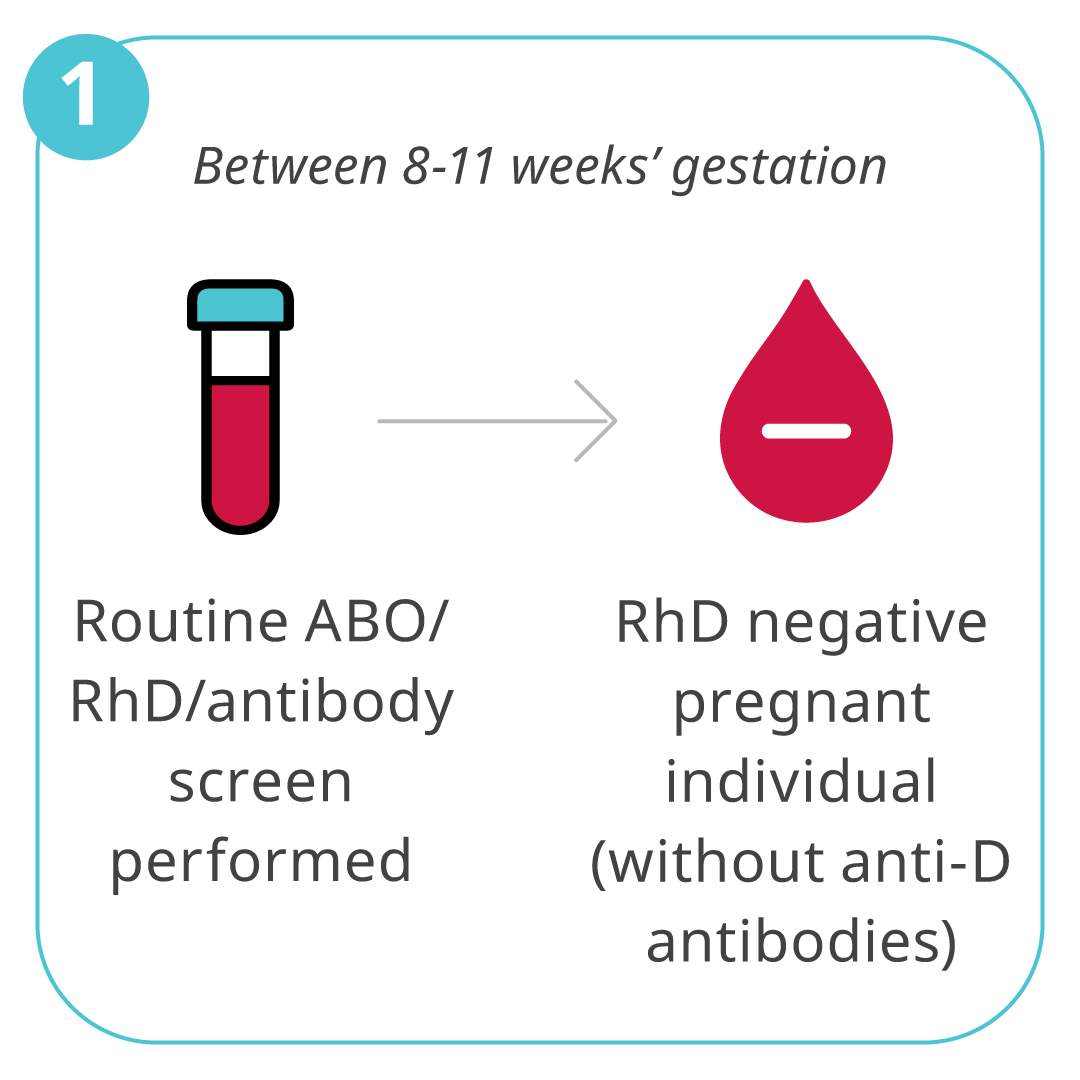
How can I find out if I am RhD negative?
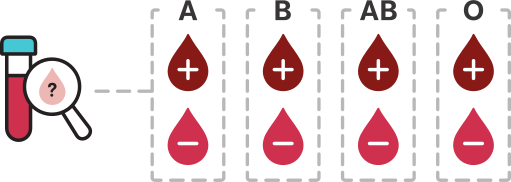
Your health-care provider will order prenatal blood work to find out your ABO/RhD blood type and check for antibodies. This is one of the routine blood tests done early in pregnancy. This test is usually done after 8 weeks of pregnancy (preferably between 11-14 weeks).
How can I find out my baby's RhD type?
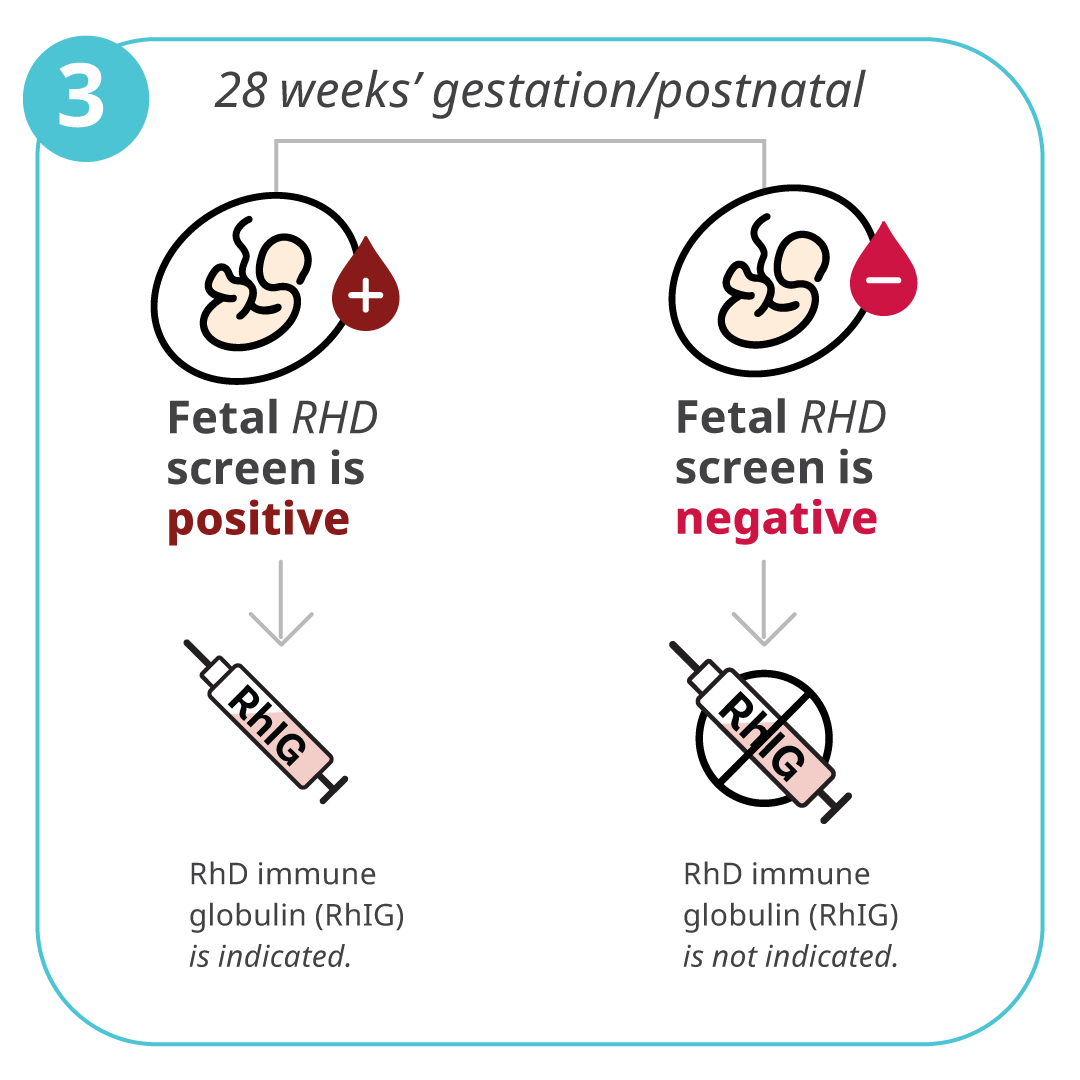
If your blood test shows that you are RhD negative and you do not have D antibodies, your next step is to have a blood test called Fetal RHD screening to find out your baby's RhD type. The results will help determine if you need a treatment called RhD immune globulin (RhIG) to prevent alloimmunization to the RhD antigen.


How can RhD alloimmunization be prevented with RhIG?
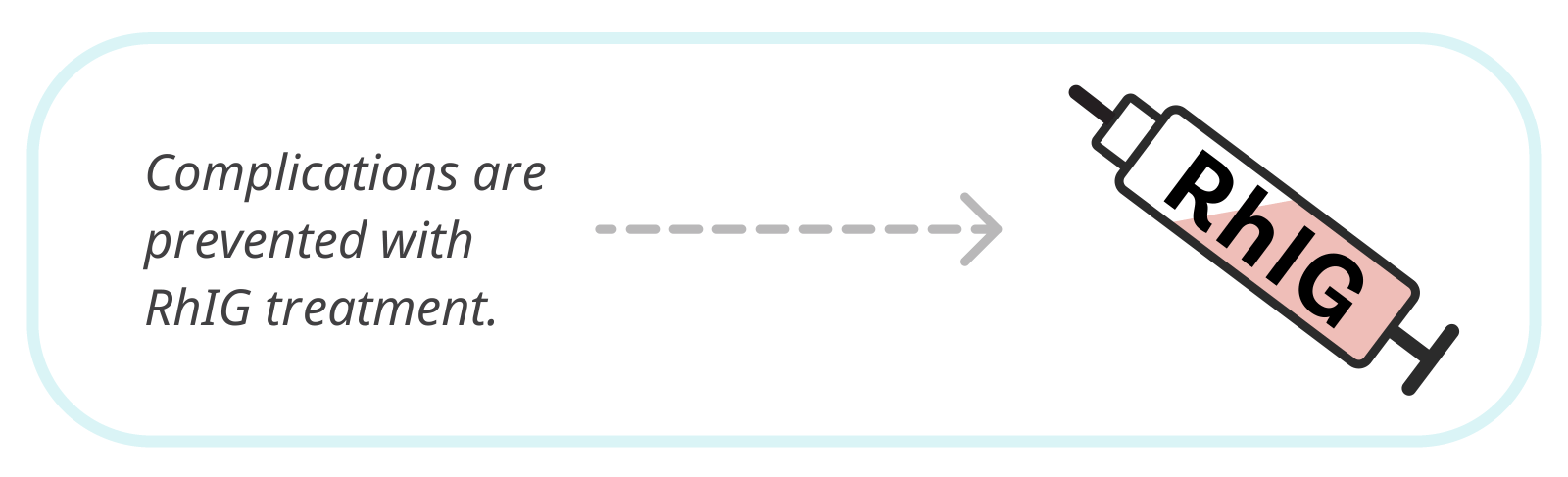
If your baby is RhD positive, a treatment called RhD immune globulin (RhIG), is recommended to prevent your body from making antibodies against your baby's RhD type. RhIG is a human blood product given by injection, that helps to stop your body from making anti-D antibodies that could lead to a serious condition called hemolytic disease of the fetus and newborn (HDFN).
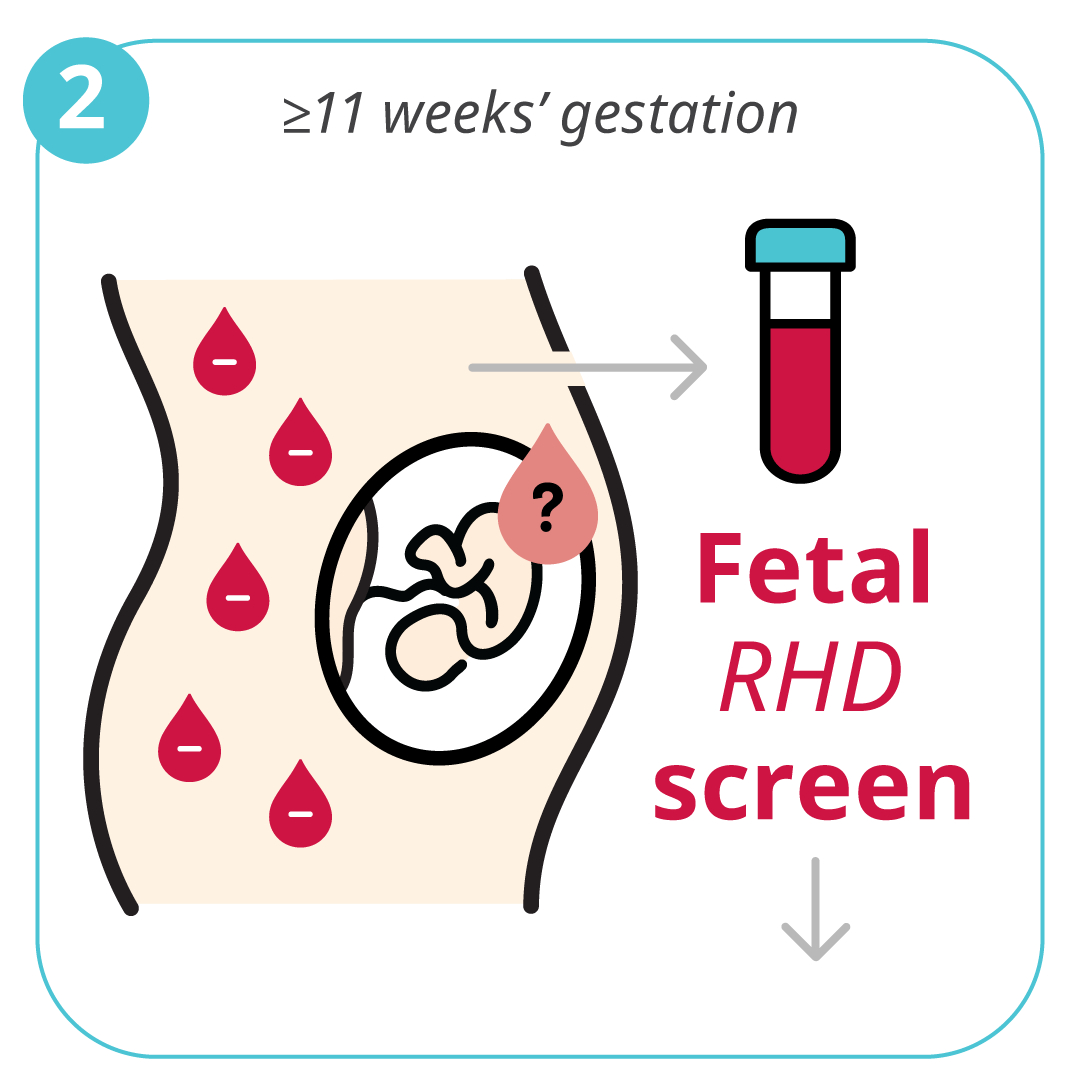
| RhIG is an injection given to RhD negative pregnant individuals: | RhIG is NOT needed if: |
|
|
How can I find out if I need RhIG?
The results of Fetal RHD screening will determine if you need RhIG treatment during your pregnancy.
Our genetic counsellors and screening specialists are available Monday to Friday from 9:00 am - 3:00 pm EST to answer your questions about prenatal screening.
Please note that prenatal screening tests have to be ordered through a health-care provider, and we cannot organize this testing.
Subscribe to PSO Updates
Subscribe to stay informed about the latest PSO news and prenatal screening updates in Ontario.
Virtual educational sessions on prenatal screening and nuchal translucency quality assurance are available upon request for health‑care providers.