I have antibodies

What are red blood cell antibodies?

Red blood cell antibodies are part of your immune system. They help your body recognize and respond to blood group markers (called antigens) that are different from your own. Most people do not have red blood cell antibodies that can affect pregnancy.

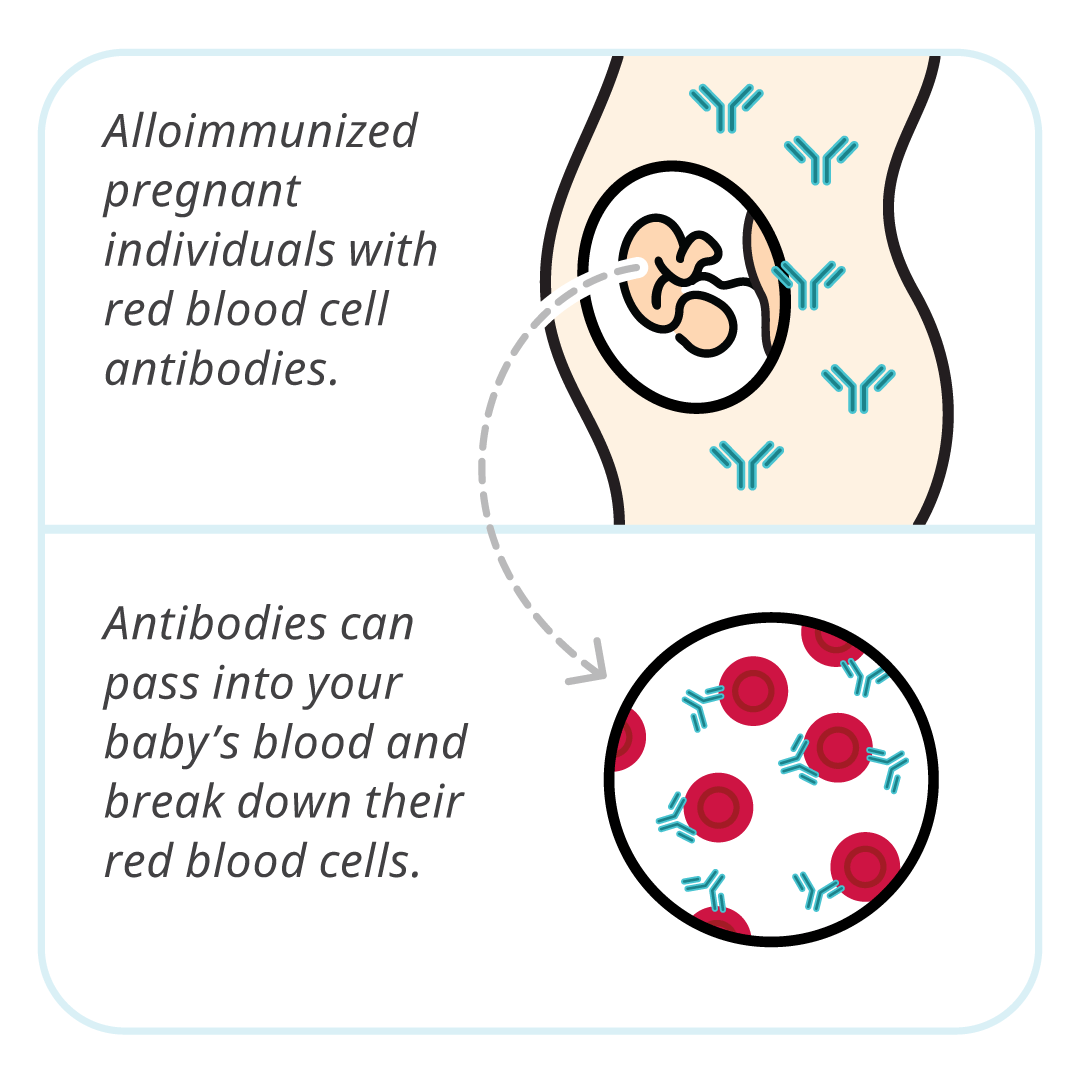
If you test positive for red blood cell antibodies, it means your immune system has made antibodies after being exposed to a different blood group. This is called alloimmunization, also known as sensitization

This can happen:

    • during pregnancy (spontaneously, after trauma or invasive procedures),
    • at delivery, or
    • after a blood transfusion.

Not all antibodies cause problems during pregnancy and in many cases, they do not affect the baby.

Most antibodies can cross the placenta and enter your baby’s blood stream. If the antibodies react to your baby's blood type, they can break down your baby’s red blood cells and cause a condition called hemolytic disease of the fetus and newborn (HDFN).

If you are told that you have red blood cell antibodies, your care will depend on:

  • if the antibody you have could affect your baby and 
  • if testing can determine if your baby has the matching marker (called antigen) that can cause complications.

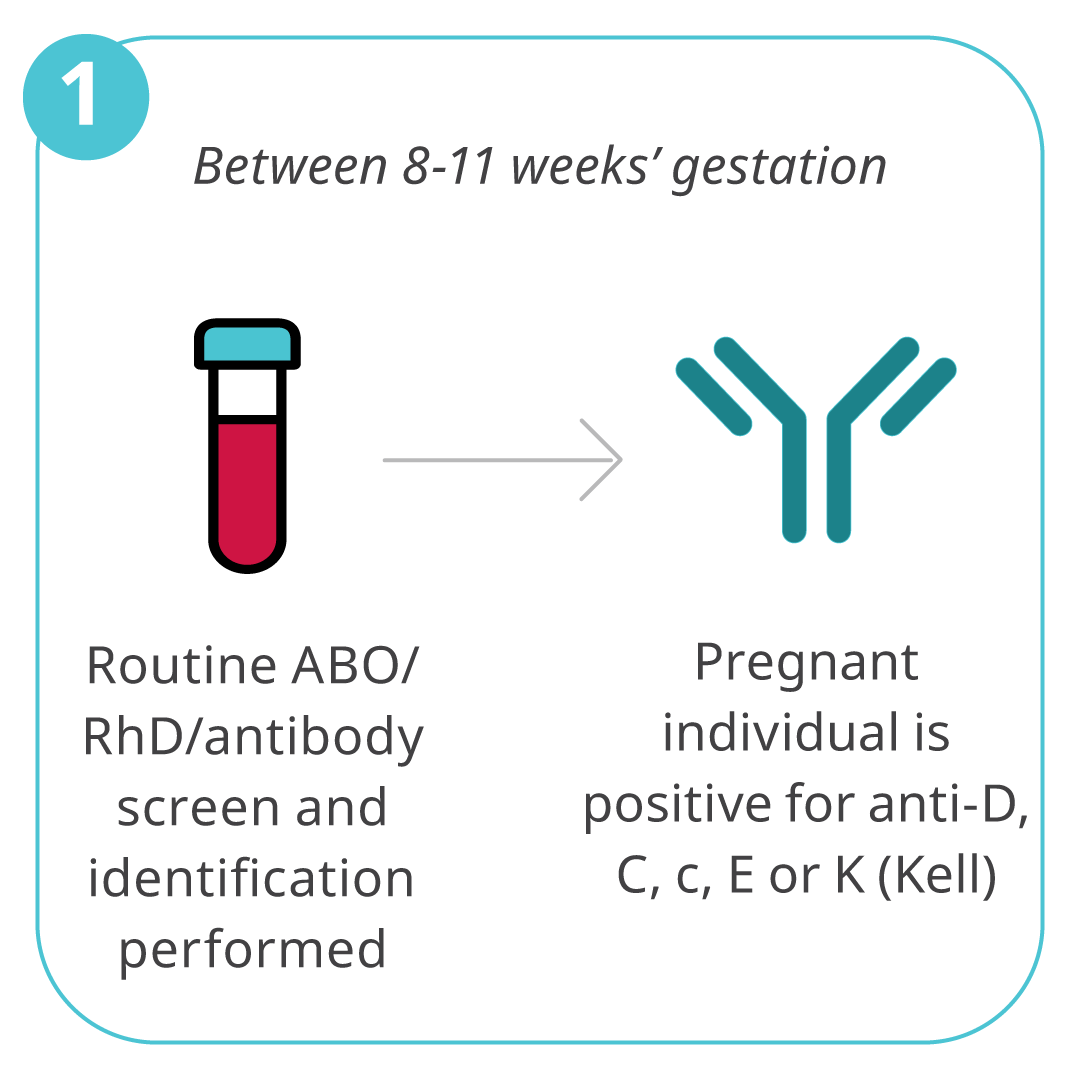
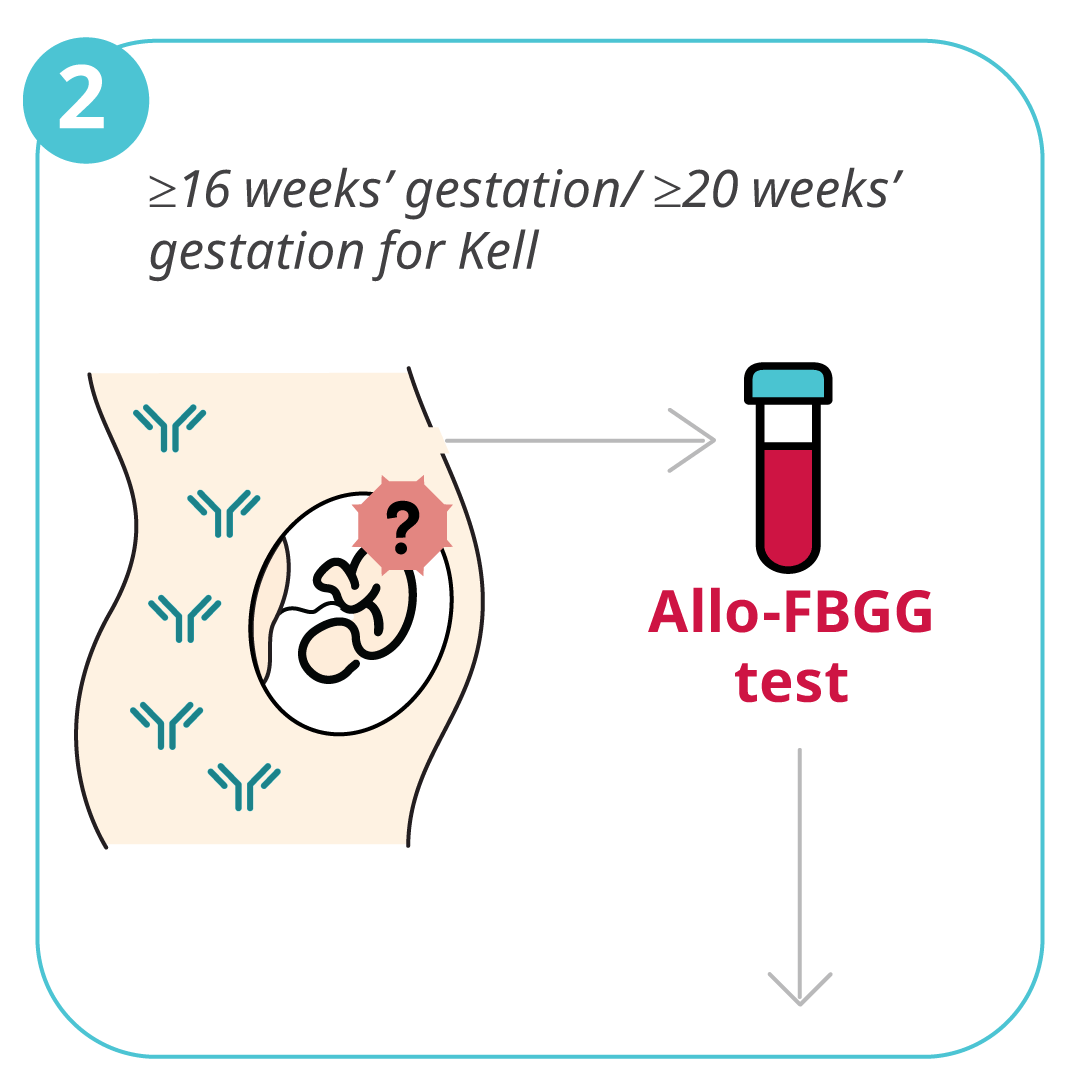
If you have anti-D, anti-C, anti-c, or anti-E antibodies, you can get a blood test called Alloimmunized Fetal Blood Group Genotyping (Allo-FBGG) to find out if your baby has the matching antigen to your antibody.

Example: If you have anti-D antibodies, the test checks if your baby has the RhD antigen on their red blood cells.

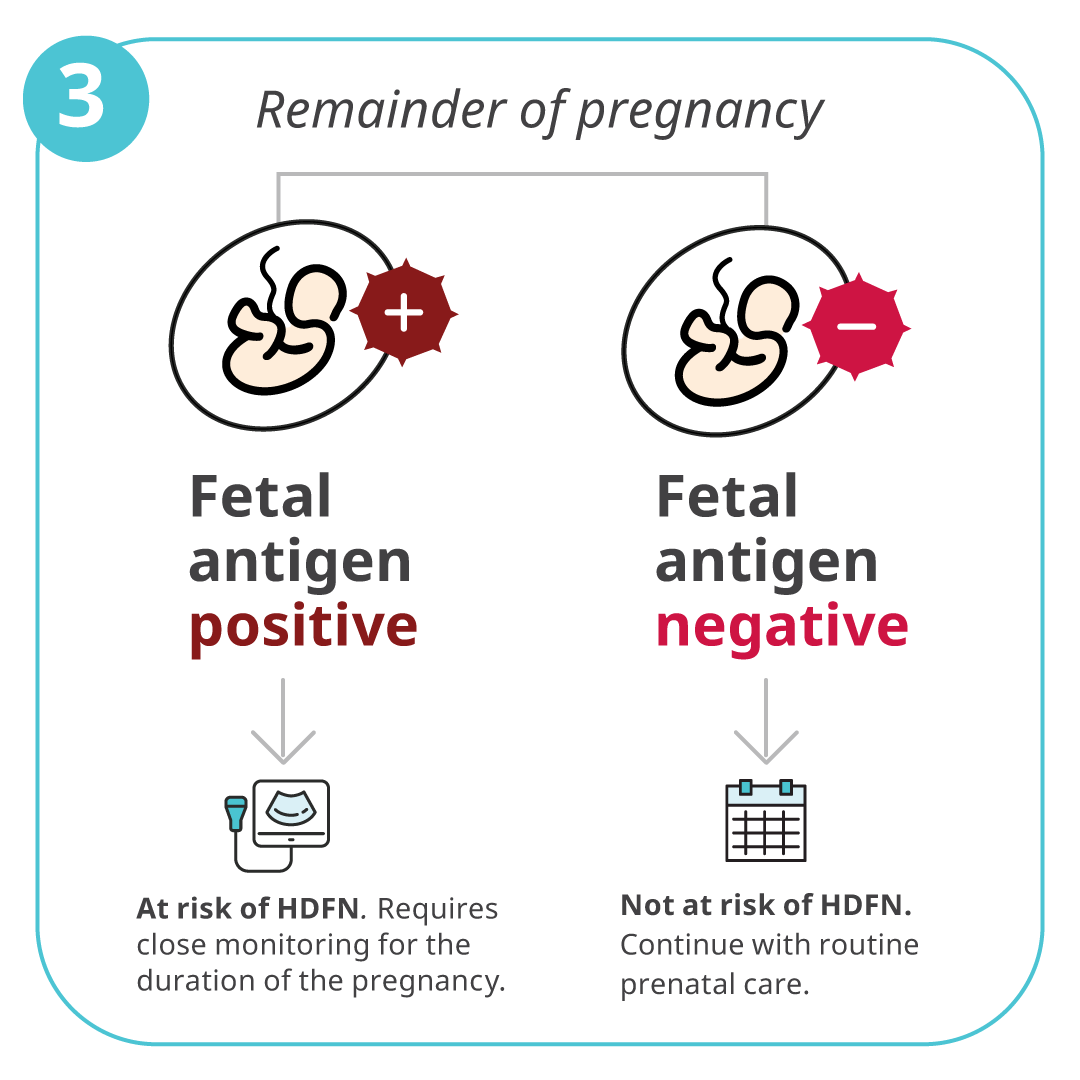
This test helps find out if your baby is at risk for hemolytic disease of the fetus and newborn (HDFN) and if your pregnancy needs additional monitoring, such as: 

  • blood tests to check your antibody levels and if a certain level is reached
  • specialized ultrasounds to look for signs of anemia (a low number of red blood cells) in your baby
  • referral to a Maternal-Fetal Medicine (MFM) specialist.

Note: If you already have anti-D antibodies, RhIG treatment is not needed because your body has already made antibodies against the RhD antigen. 

If you have anti-K (Kell) antibodies, your pregnancy requires early assessment and close monitoring, as these antibodies can affect your baby.

Since these antibodies can be aggressive regardless of antibody levels, repeat blood tests to check anti-K levels are not necessary. You should be referred to a Maternal-Fetal Medicine specialist as soon as the anti-K (Kell) antibody is identified.  Early referral helps ensure your get the appropriate monitoring and treatment.

A blood test called Allommunized Fetal Blood Group Genotyping (Allo-FBGG) is available and can check if your baby is at risk for HDFN and if additional monitoring during your pregnancy is needed, such as:

  • referral to a Maternal-Fetal Medicine (MFM) specialist
  • specialized ultrasounds to look for signs of anemia (a low number of red blood cells) in your baby.

If you have antibodies other than anti-D, C, c, E, or K (Kell), Allo-FBGG cannot be done.

In rare cases, other antibodies may also increase the risk of HDFN. Talk to your health-care provider about next steps and if you need extra monitoring during your pregnancy.  This may include blood tests, specialized ultrasounds, and/or a referral to maternal-fetal medicine (MFM) specialist. 

In some pregnancies, antibodies can cross the placenta and break down your baby's red blood cells and cause a serious condition called hemolytic disease of the fetus and newborn (also known as HDFN).

HDFN can affect your baby before birth, at birth, or during the first few weeks of life.

How common is HDFN?

HDFN is uncommon in Ontario. Routine blood group and antibody screening during pregnancy, along with preventive treatment for RhD negative pregnancies, has made severe HDFN much less common than it was in the past.

Most pregnancies with red blood cell antibodies do not result in severe HDFN. Many babies are unaffected or have only mild symptoms, especially when pregnancies are carefully monitored.

What problems can HDFN cause?

If HDFN develops, your baby may have:

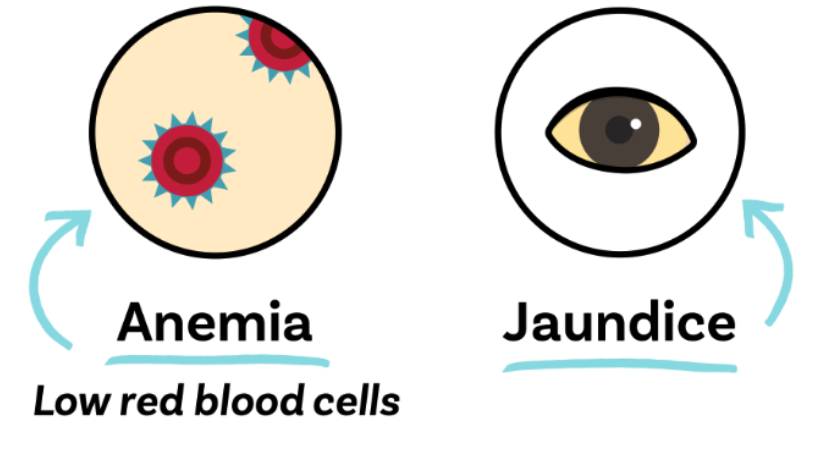
  • Anemia – a lower than normal number of red blood cells, making it harder to carry oxygen around the body.
  • Jaundice – a buildup of bilirubin that can cause the skin and whites of the eyes to appear yellow after birth.
  • Hydrops fetalis – a serious condition that can develop during pregnancy when severe anemia causes fluid to build up in different parts of the body.  Without treatment, hydrops fetalis can be life-threatening.

Symptoms can range from mild to severe, and not all babies will develop symptoms.
Can HDFN be treated?

Yes. If your baby shows signs of significant anemia during pregnancy, treatment may include a blood transfusion before birth (an intrauterine transfusion). After birth, some babies may need treatments such as:

  • phototherapy (light treatment) for jaundice
  • a blood transfusion or exchange transfusion
  • other supportive care, depending on the severity of the condition

What can I expect?

Most babies with HDFN do very well. With early detection, regular monitoring, and treatment when needed, most babies recover completely and do not have long-term health problems. Your health-care provider will recommend the monitoring and care that are right for you and your baby based on the type and level of antibody present.

If your baby develops anemia or jaundice from HDFN, these problems usually improve as the antibodies from your blood leave your baby’s system. Once the antibodies are gone, your baby’s blood can return to normal.

The antibodies that cause HDFN do not pass into breast milk, so breastfeeding is safe.

The following patient advocacy organizations offer information and support for people affected by alloimmunization and hemolytic disease of the fetus and newborn (HDFN). They provide educational resources and share patient experiences, offering a range of perspectives on living with these conditions.

Allo Hope Foundation

Maternal Alloimmunization Foundation 

PSO Infoline

Our genetic counsellors and screening specialists are available Monday to Friday from 9:00 am - 3:00 pm EST to answer your questions about prenatal screening.

Please note that prenatal screening tests have to be ordered through a health-care provider, and we cannot organize this testing.

Subscribe to PSO Updates

Subscribe to stay informed about the latest PSO news and prenatal screening updates in Ontario.
Virtual educational sessions on prenatal screening and nuchal translucency quality assurance are available upon request for health‑care providers.