NIPT No Result

Sometimes, NIPT doesn't give a result. If your Non-Invasive Prenatal Testing (NIPT) did not work, you might have questions about why this happened and what to do next. It’s important to know that most of the time, the baby is healthy.

What the result means

The most common reason for no result is that the blood sample didn’t have enough DNA from the pregnancy. This is called "low fetal fraction" on the report. Here are some possible reasons:

  • Timing of the test - if the blood was taken too early in the pregnancy, it’s more likely to have no result.
  • Biological reasons - things like higher body weight, carrying twins, or pregnancies through IVF can make it harder to get a result.
  • Chromosome differences - sometimes, a "no call" result can mean the baby has a chromosome difference.

In some cases, it’s not possible to know why the test didn’t work.

Options may include:

  • Having another NIPT blood draw
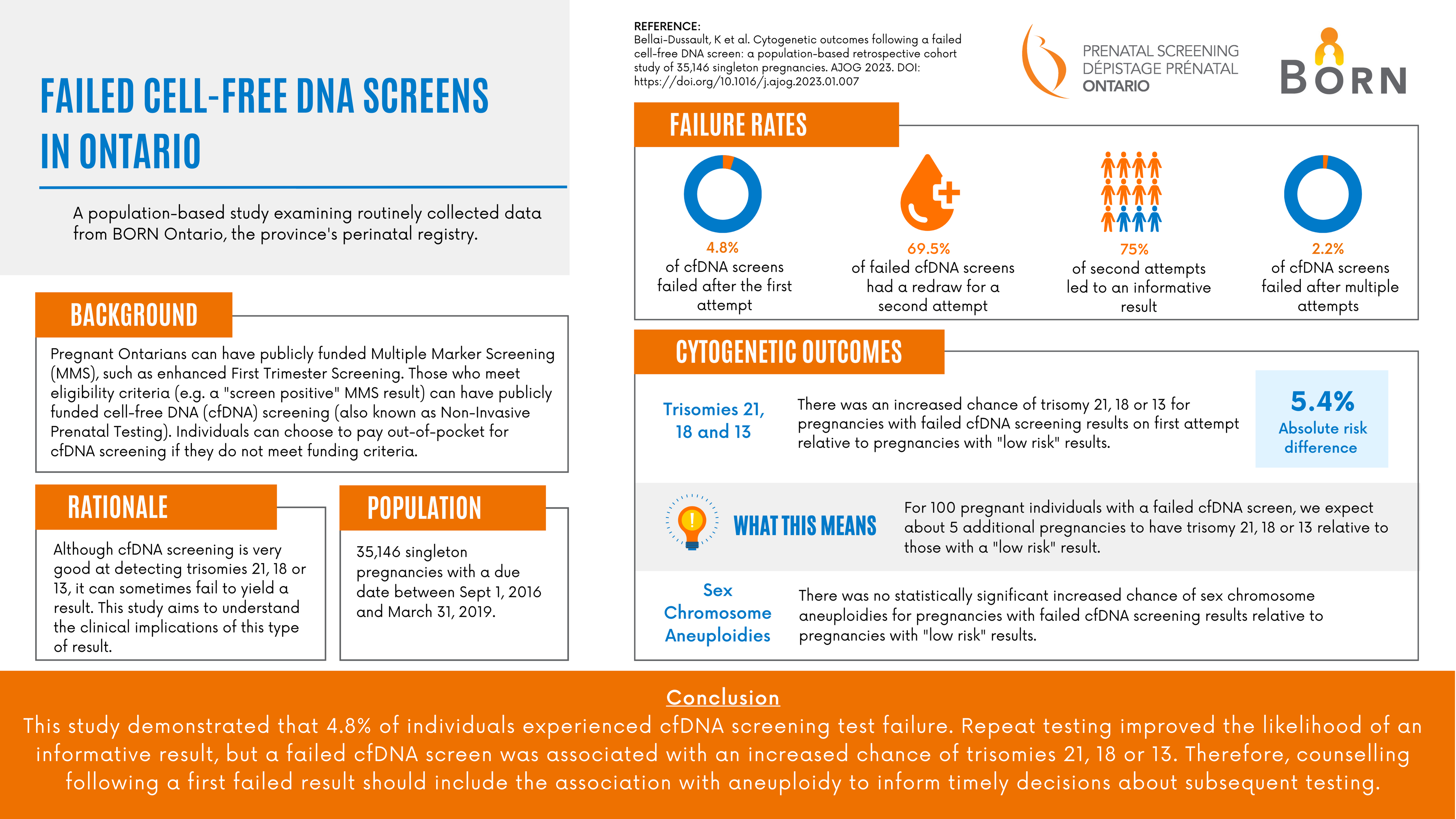
    The report will tell you whether a second try is recommended in your situation. The NIPT is successful about half the time when a re-draw is done. If you paid for NIPT yourself, there is no extra cost for having your blood re-drawn.
  • Doing another type of prenatal genetic screening test
    You might have the option of having another screening test (enhanced First Trimester Screening or Second Trimester Screening). If you have a twin pregnancy, other prenatal screening tests are not possible for you. 
  • Getting a referral to a specialist in genetics
    genetics specialist can review your options and provide support. You might choose to have a diagnostic test if you had a couple of failed attempts at NIPT or if a re-draw is not recommended in your situation. Diagnostic testing can tell you if the baby has a chromosome difference or not.
  • Doing a 18-22 week (detailed anatomy) ultrasound
    All pregnant people are offered the option of a 18-22 week (detailed anatomy) ultrasound. This ultrasound checks how the baby is growing and developing.
  • Choosing no more testing in this pregnancy
    Some people choose not to have any more testing in the pregnancy. If there are other concerns, you might be offered diagnostic testing after the baby is born.

What the result means

Sometimes, NIPT results are reported as atypical instead of low-risk or high-risk. This type of result is only reported for Lifelabs Panorama NIPT. An atypical result means the laboratory found genetic information that does not clearly fit into a low-risk or high-risk category. This can happen for different reasons including:

  • A chromosome difference in the baby

  • A chromosome difference in the pregnant individual

  • Normal variation

An atypical result is linked to a higher chance of a chromosome difference in the baby compared with a low-risk NIPT result.

Next steps

Since atypical results can be associated with chromosome differences in a pregnancy, a follow-up referral to a Genetics/MFM specialist is recommended. This specialist can explain what the result means and provide support. They can also discuss options for next steps, including:

For Health-Care Providers

How to Discuss Prenatal Screening Results: NIPT

For Health-Care Providers

Atypical NIPT Results Handout

For Health-Care Providers

Infographic on NIPT Failures in Ontario

Subscribe to PSO Updates

Subscribe to stay informed about the latest PSO news and prenatal screening updates in Ontario.
Virtual educational sessions on prenatal screening and nuchal translucency quality assurance are available upon request for health‑care providers.